


Featured
May is Therapeutic Court Month!
Let’s celebrate all your accomplishments
Please send any stories and photos to angie.hutton@clark.wa.gov, and we’ll flood our page with all the hard work, fun and determination that therapeutic courts have to offer across the state!
Day 1: The Yakima Drug Court Alumni Group
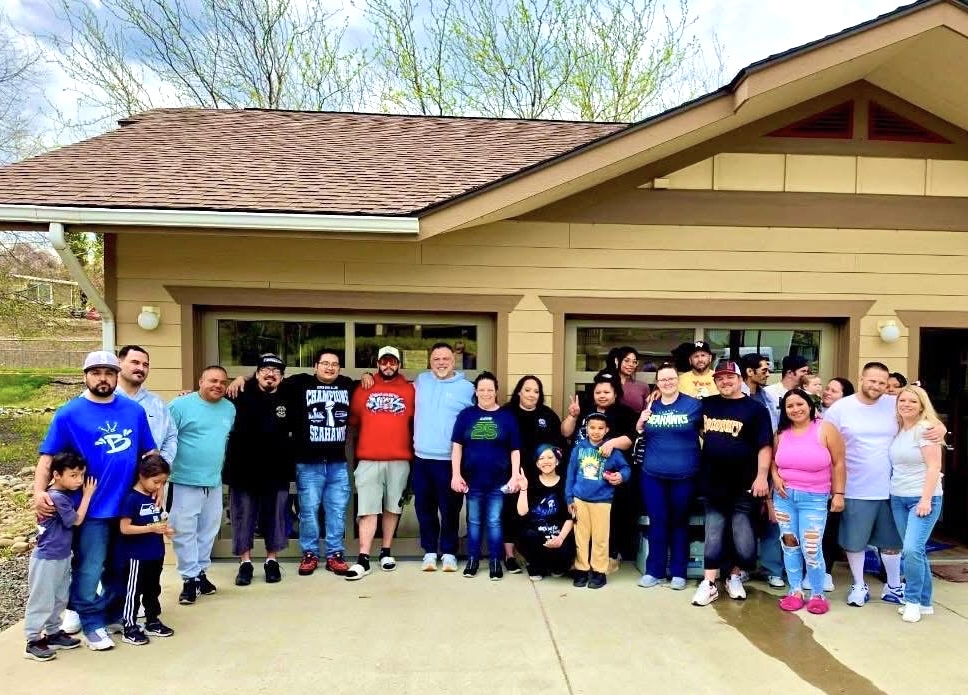
They were established to create a space where graduates can stay connected and current participants can learn from those who have successfully completed the program. Their mission is to celebrate recovery, support lifelong growth, and strengthen the community. Each month, they gather to recognize recovery milestones, share experiences, and uplift one another. Through mentorship, peer support, and community service, they foster connection, give back, and work to reduce the stigma surrounding recovery. Together, they are committed to supporting one another, inspiring change, and building a stronger Yakima community.
Day 2: Kitsap County
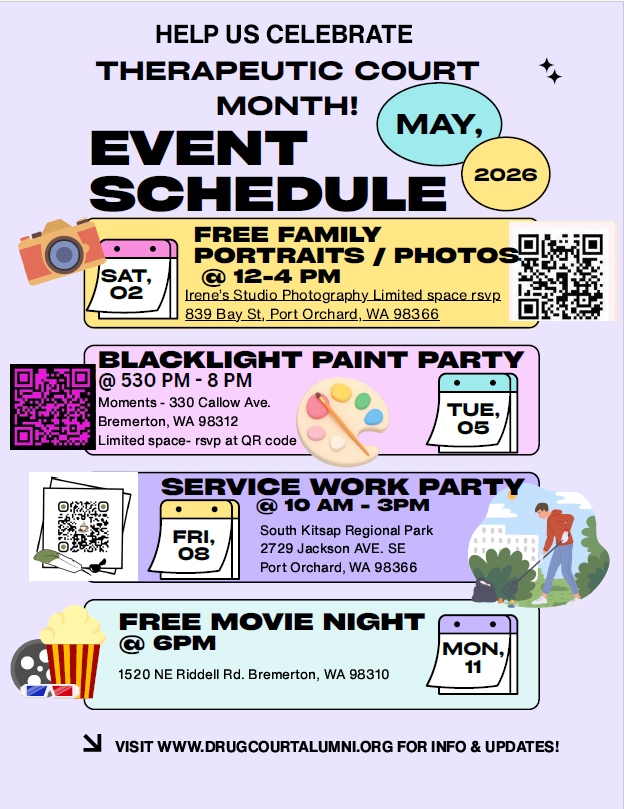
Kitsap County fills May with Therapeutic Court Month celebrations! Take a look at all the wonderful activities Kitsap County has to offer during Therapeutic Court Month as well as their signed proclamation declaring May as Therapeutic Court Month!!!
Day 3: Snohomish County
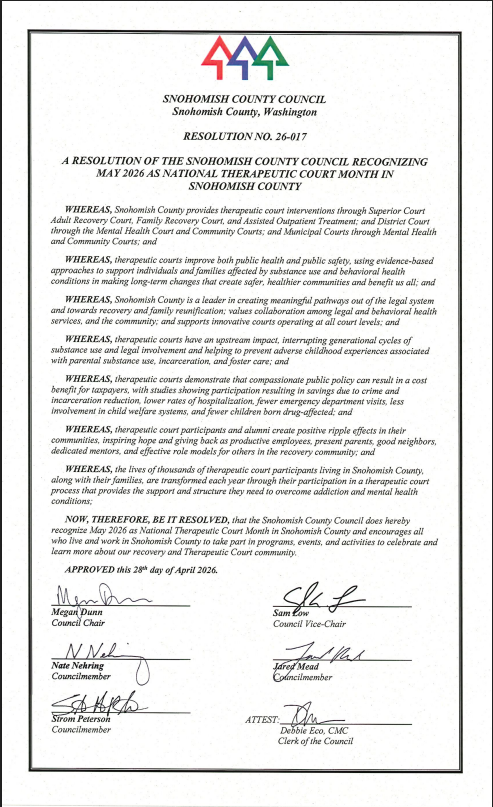
Snohomish County Council signed resolution on May 28, 2026 recognizing May as National Therapeutic Court Month. Way to go Snohomish County!
Day 4: Spokane County
Reader spotlight: Treatment courts reduce crime, save lives and strengthen communities
Every day in courtrooms across our state, judges see individuals whose criminal behavior is driven by untreated substance use and mental health disorders. Unless these underlying issues are addressed, many will continue to cycle through the justice system, straining law enforcement, courts, and taxpayers. Treatment courts are the most effective strategy for breaking this cycle. In fact, they are the most successful justice intervention in our nation’s history.
Treatment courts are an accountability-driven approach that combines rigorous supervision and judicial oversight with evidence-based substance use and mental health treatment. Their impact extends far beyond reducing crime. Treatment courts save lives, strengthen families, improve employment and housing stability. They make our community better and stronger. Reduced law enforcement and first-responder interventions conserves limited resources and make them more available to focus on community safety.
May is National Treatment Court Month and the perfect time to share the many ways Spokane’s treatment courts are making a positive impact on the community. Spokane Superior Court’s Drug Court is celebrating its 30th year of doing just that. In addition to Drug Court, Superior Court operates a felony Mental Health Court. Spokane County District Court and Spokane Municipal Courts similarly use other treatment courts: Veterans Court, intensive DUI courts, Community Court, and a joint regional mental health court for misdemeanors.
Treatment courts regularly see participants succeed and not return to the criminal justice system. Most of them enter treatment court after years of struggling with a substance use disorder or mental health conditions – often both. They arrive because they resorted to committing crimes to support substance use disorder or untreated behavioral health conditions – often both. Many have been arrested numerous times without anything changing. While facing incarceration, they get the chance to participate in a treatment court. There, they are before the court frequently while they receive rigorous treatment and counseling. With the help of treatment court teams, they begin to put their lives back together.
Research supports this: The largest and most comprehensive multisite study ever conducted on treatment courts found reductions in crime averaging 58% and savings of more than $6,000 for every individual served. Researchers have also found that treatment courts produce significant improvements in education, employment, housing, financial stability, and family reunification.
Treatment courts are our most effective approach at the intersection of substance use disorder, mental health, and justice involvement. This year’s National Treatment Court Month should serve as a call to action to expand access to this proven community-based solution. Because when one person, family, and community rises, we all rise.
Judge Shelley Szambelan- Superior Court Felony Drug Court & Mental Health Court
Judge Kristin O’Sullivan- Spokane Municipal DUI Court
Judge Mary Logan- Spokane Municipal Community & Veterans courts
Judge Jeff Smith- Spokane County District Drug & Regional Mental Health courts
Judge Patrick Johnson- Spokane County District Veterans Court
Read full article here: Reader spotlight: Treatment courts reduce crime, save lives and strengthen communities
Day 5: Alumni Spotlight: Karis Bjerke- King County Drug Diversion Court (KCDDC) Alumni
In 2009, Karis was accepted into the King County Drug Diversion Court (KCDDC) program. She successfully graduated Drug Court in 2011. She decided to “Give back the gifts that were given to me” by obtaining her substance use degree and working as a treatment counselor. She went on to continue her education, receiving her BSSW and MSW degrees. Today, Karis is now the Clinical Practices Manager with Pioneer Human Services at their King County Residential Treatment Program. Karis shares with great appreciation for KCDDC. “If it wasn’t for God and KCDDC, I wouldn’t be where I am today. Drug Court provided me with encouragement, accountability, and a structure that I desperately needed. Oftentimes, the Court knew what I needed more than I did. To this day, if I needed anything, I could call them, and they would offer guidance or support. My relationship with KCDDC didn’t end when I graduated. Being accepted into KCDDC saved my life and helped me become who I am today.”
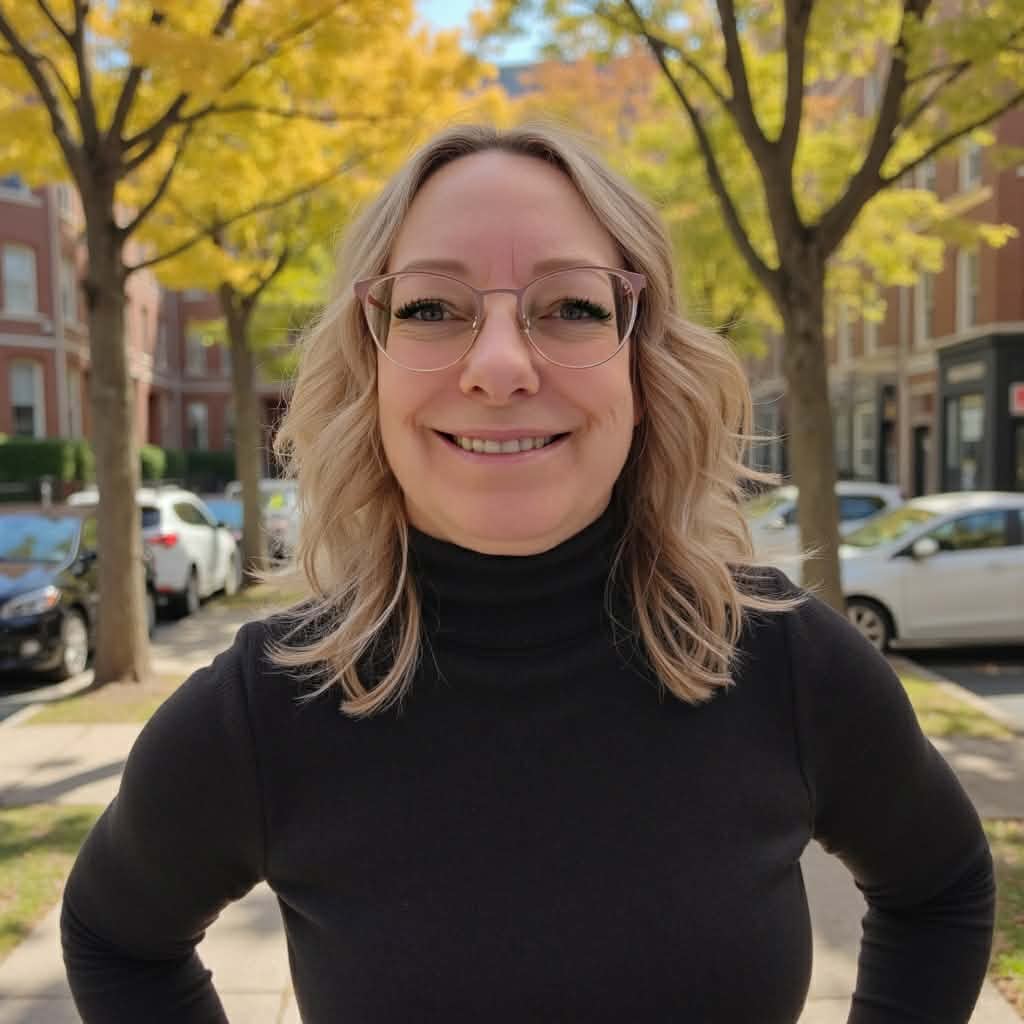
Day 6: We Can Alumni Group- Mason County
The WE CAN Alumni Group represents Mason County Therapeutic Court alumni and is a space built on connection, growth, and real support beyond the program. It brings together graduates, current participants, and families to stay engaged, build relationships, and keep moving forward in recovery.
Through gatherings, events, and shared experiences, the group creates opportunities to celebrate progress, support one another, and stay grounded in accountability. By keeping alumni involved and families included, WE CAN Alumni strengthens recovery, builds community, and reminds people they’re not alone.
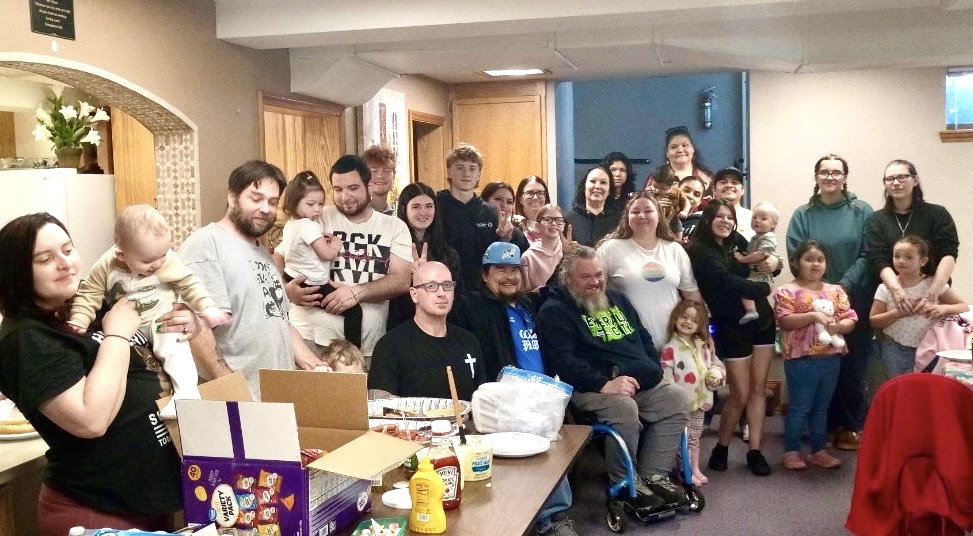
Day 7: Alumni Spotlight: Daniel Miller- Lewis County Drug Court
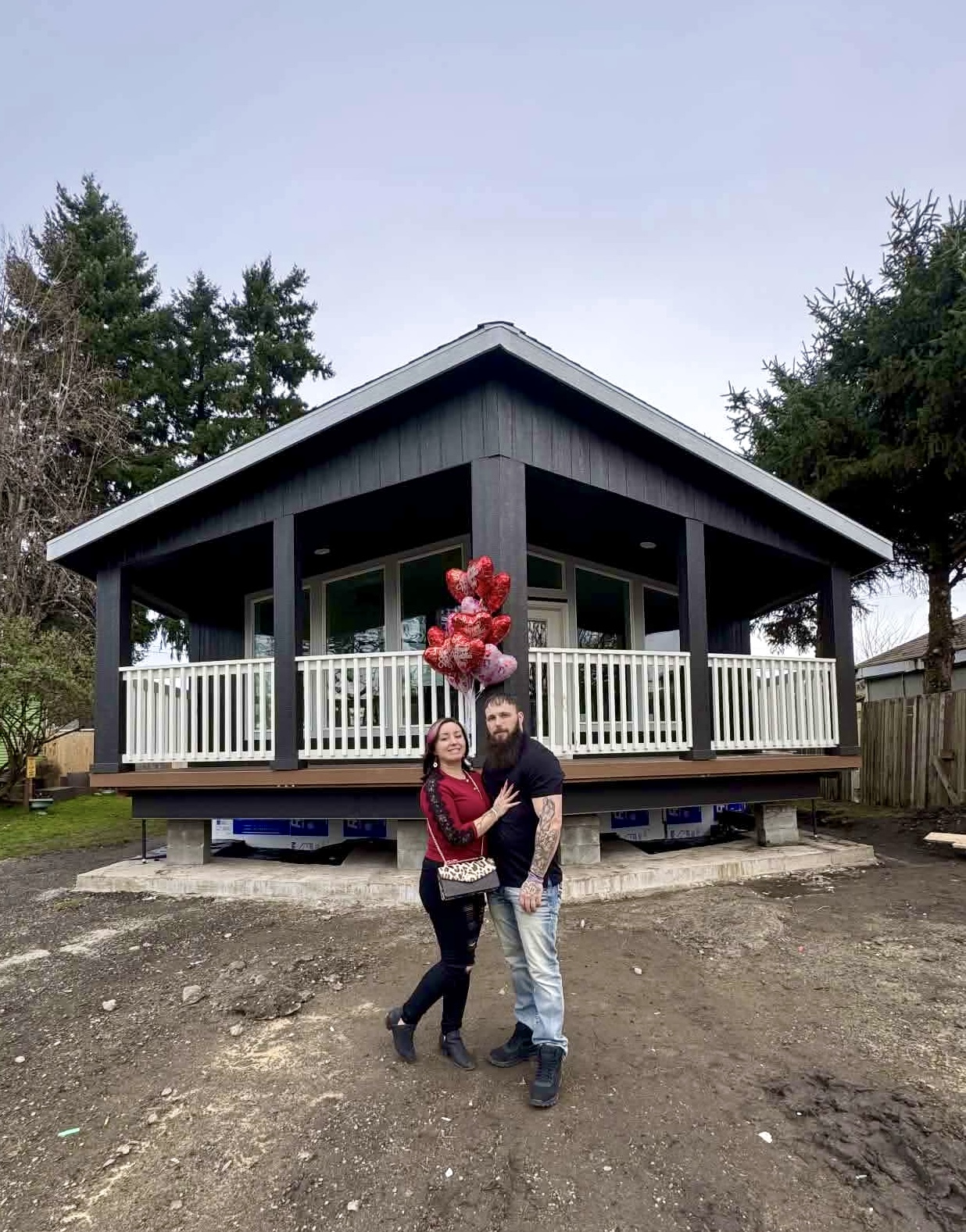
Daniel Miller is a proud graduate of the Lewis County Drug Court program, having completed it on December 5, 2023. Since graduating, he has continued to build a positive and stable life—recently becoming engaged to his fiancée, purchasing a home, and launching his own peptide business. He remains actively involved with Lewis County Drug Court and will always stay connected to the program that helped transform his life. It gave him the tools, perspective, and support to realize that there is so much more to life, and he is committed to carrying those lessons forward.

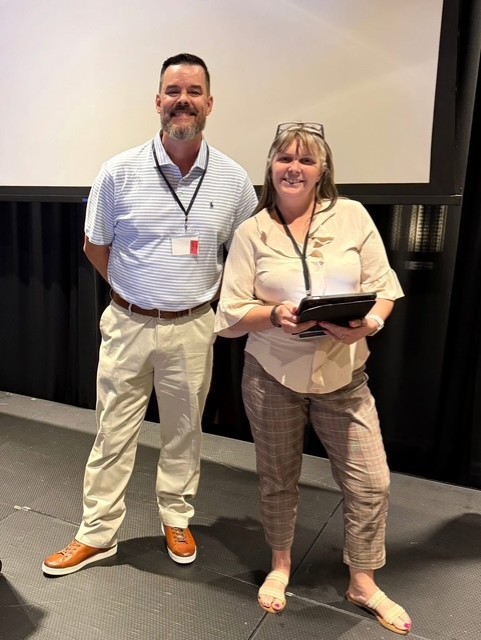
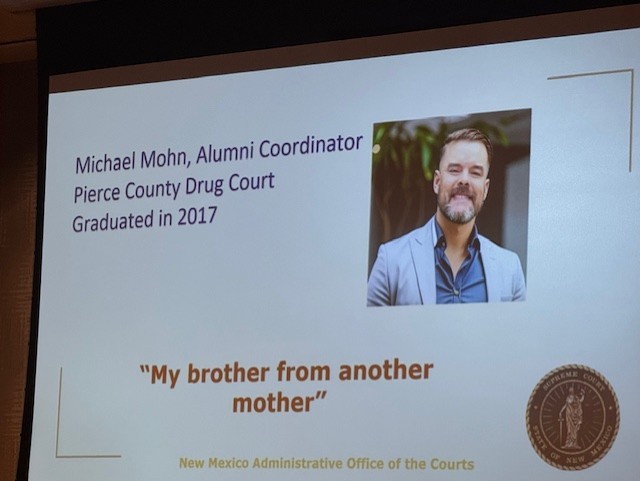
Day 8: Alumni Spotlight: Michael Mohn- Pierce County Drug Court
Graduating from the Pierce County Drug Court in 2017 is one of the proudest moments of my life. This journey challenged me in every way, but it also gave me the tools, accountability, and support I needed to truly change. I’m proud not just of completing the program, but of the man I’ve become in the process. I am someone who shows up, takes responsibility, and lives with purpose. One of my greatest accomplishments is being able to give back as an alumni coordinator for Pierce County Alliance, supporting others who are walking the same path I once did. We have an abundant alumni program that is creating a culture of family within the drug court graduates and clients. Recovery has given me a second chance, and I’m proud to use my story to help others believe that change is possible.
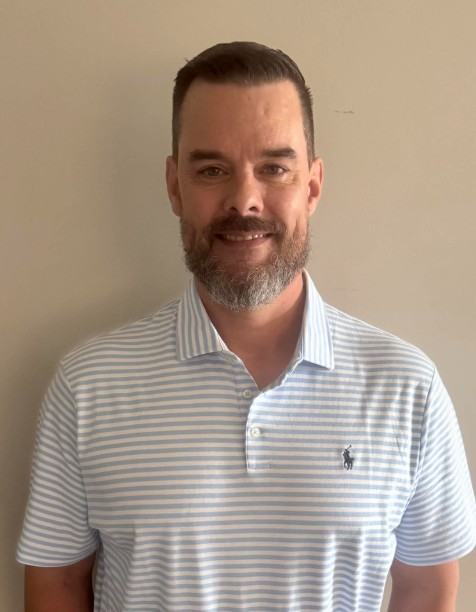
Mike, along with Jami lead a breakout session on “Planning Events- Having fun in Recovery” at the New Mexico Courts Alumni Summit. The session s was noted to be engaging, and informative. He was also selected to do a keynote speech! Their presentation was such a huge hit with significant national attention, and they been asked to do their presentation to numerous other state conferences as well.

Day 9: Grays Harbor County recognizes National Therapeutic Court Month
At its regular meeting on May 6, the Board of County Commissioners adopted a proclamation to observe May as National Therapeutic Court Month in Grays Harbor County.
In recognition of May as National Treatment Court Month, Grays Harbor County is celebrating ongoing efforts to address substance use and mental health disorders through the expansion and success of local therapeutic court programs.
“Therapeutic courts are one of the most effective strategies we have for breaking the cycle of crime and addiction,” said District 3 Commissioner Vickie Raines. “We are proud of the collaborative work being done across both District and Superior Court levels to promote recovery, save taxpayer dollars and improve public safety.”
This year’s observance coincides with the launch of the Grays Harbor County District Court DUI Therapeutic Court, which offers enhanced supervision, treatment, and accountability for high-risk individuals convicted of driving under the influence. This new court is part of a broader, countywide commitment to therapeutic justice and rehabilitation as an alternative to traditional incarceration.
Grays Harbor County now operates two therapeutic court divisions:
District Court DUI Therapeutic Court, focusing on reducing recidivism among repeat DUI offenders through structured treatment and monitoring, and Superior Court Therapeutic Court, which offers a comprehensive, team-based approach to helping individuals facing felony charges who also struggle with substance use and mental health disorders.
Over 4,000 treatment courts nationwide are holding events this month to raise awareness of their success in reducing criminal behavior and supporting individuals and families in crisis. These courts represent the most successful justice system intervention in U.S. history for addressing underlying behavioral health issues that contribute to criminal conduct.
Grays Harbor County joins jurisdictions across the country in celebrating the lives changed through treatment courts and calls for continued support at the local, state, and federal levels to sustain and grow these vital programs.
Article provided by Wire Service. Read full article here: Grays Harbor County recognizes National Therapeutic Court Month
Search

Reduced Recidivism
88% of drug court participants in the state of Washington have no new felonies 36-months after treatment initiation and 77% have no new crimes at any level including no new misdemeanors during the same timeframe. (This is not just graduates – it is all participants.)

Higher Employment
231% sustained increase in employment for participants 18-months post treatment initiation.
Increased Earnings
191% increase in earnings for drug court participants
Latest Posts and Articles
-
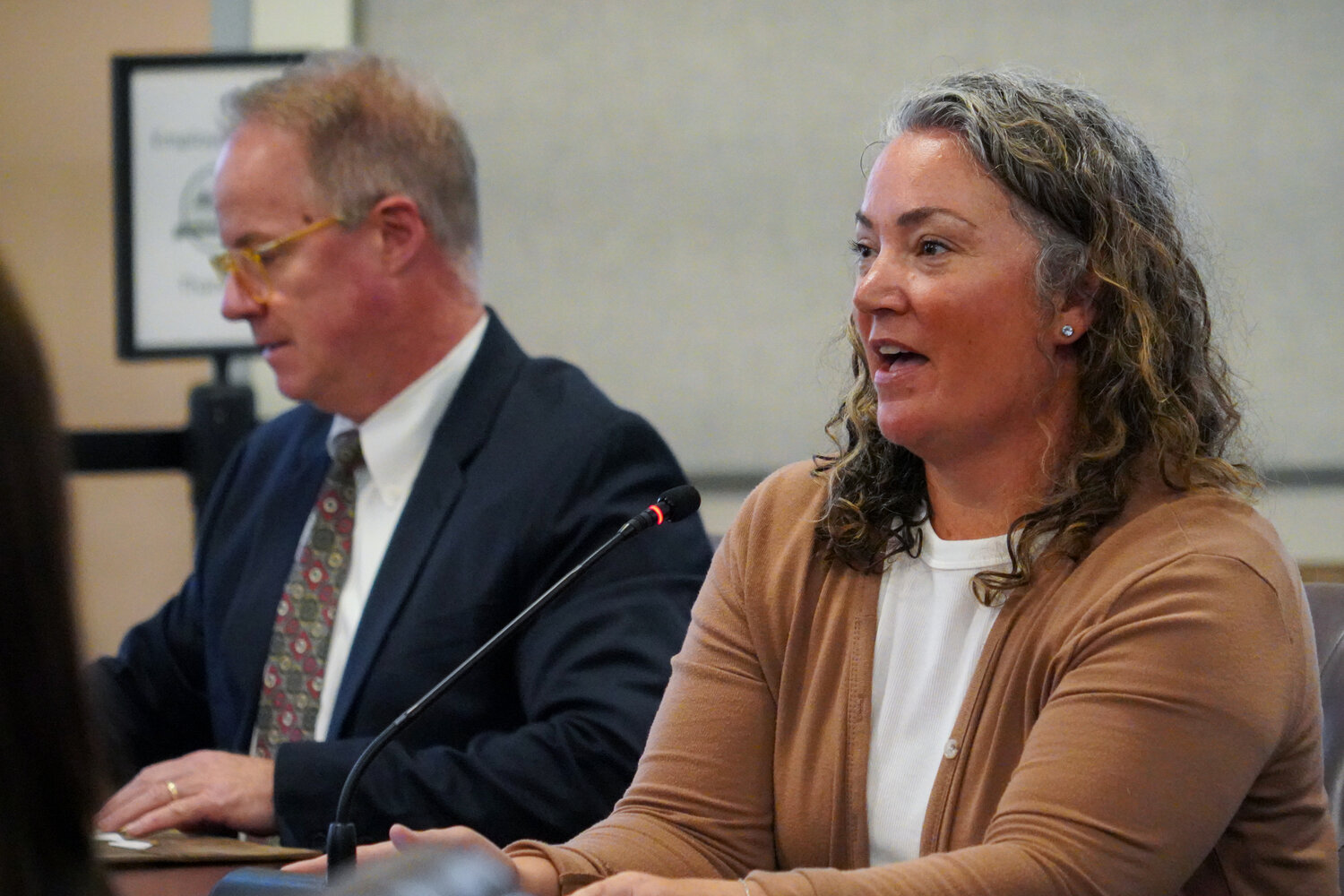
Day 10: Lewis County Drug Court continues to thrive
Leaders report that a dedicated home for participants, return of compliance officers has…
-
Day 9: Grays Harbor County recognizes National Therapeutic Court Month
At its regular meeting on May 6, the Board of County Commissioners adopted…
-
Day 8: Alumni Spotlight: Michael Mohn- Pierce County Drug Court
Graduating from the Pierce County Drug Court in 2017 is one of the…